We’ve all had those days where the body or the heart just feels heavy, and it takes the wheel. It is hard to think straight when your head is pounding, your leg aches, or you’re running on empty. Whatever happens to be sitting at the very top of our experience—whatever is screaming the loudest—that’s what grabs the wheel and runs the whole show. When physical ache or heavy exhaustion sits at the very top of the pile, it completely crowds the room—leaving almost no space to breathe, let alone think straight.
When life rubs us raw like that, our first knee-jerk reaction is usually to feel sorry for ourselves, beat ourselves up inside, or snap at the people we care about.
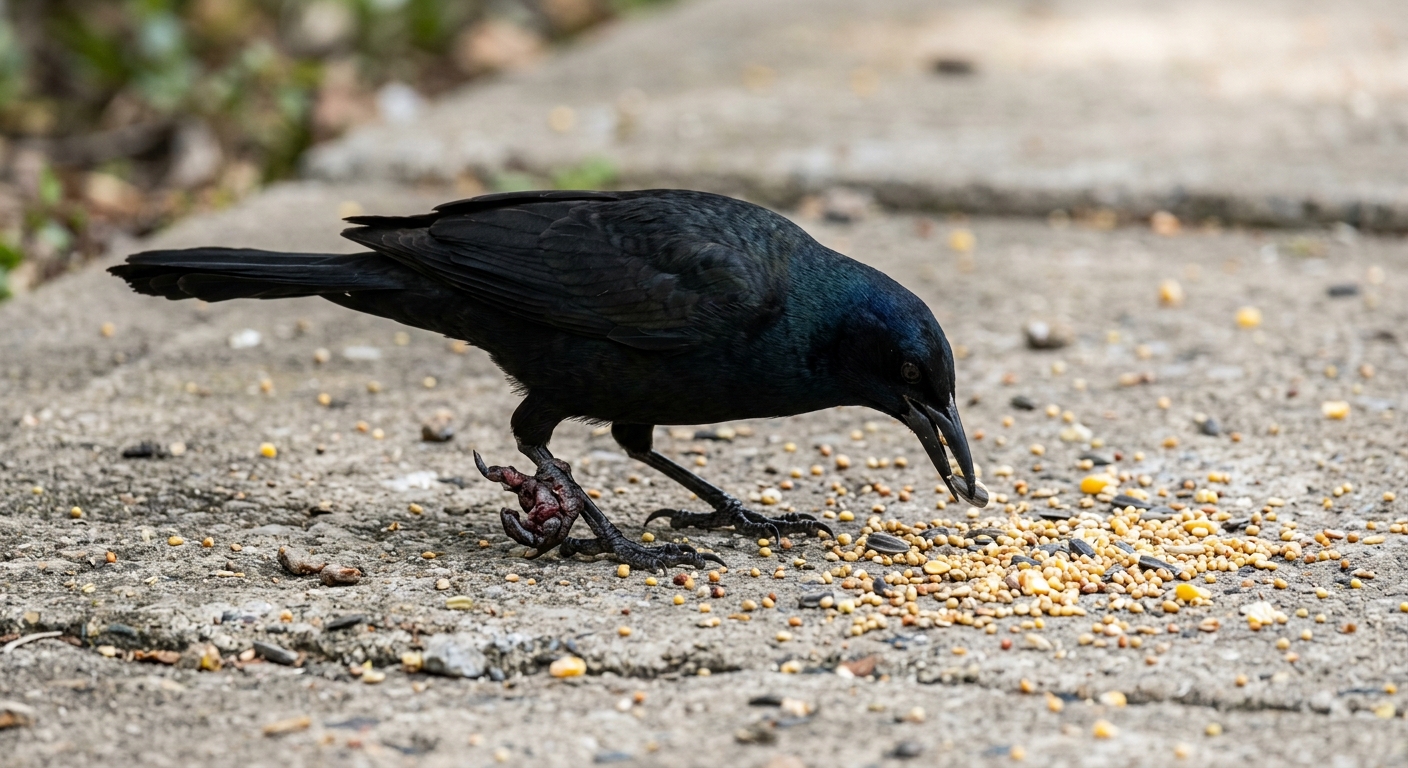
A few years ago, I was sitting outside of a grocery store having lunch and noticed a little bird. Its right leg was badly mangled, bent all the wrong way. But the bird wasn’t putting on a front, and it wasn’t making itself into a problem. It didn’t look around asking who was to blame or why life had handed it a broken leg. It was just hopping along on the pavement, looking for a bite to eat, meeting its day with a quiet, upright dignity. Watching that little bird stopped me in my tracks. It made me wonder: how do we meet life when things genuinely hurt—without letting the pain take us down?
The Hurt and the Story We Tell About It
When we run into hard moments, it helps to see that there are really two distinct things going on:
The initial sting: This is the raw physical sensation—the throbbing knee, the tight jaw, the knot in your stomach. It’s simply the price of admission for having a human body. It’s the first hit, and we don’t get a vote on whether it happens.
The story we pile on top: This is the mental friction that follows. It’s that familiar, exhausting inner monologue: “This is ruining my whole day,” “What if this never goes away?”, “Why do I always end up here?”
Most of our real misery doesn’t actually come from the sore knee or the heavy chest. It comes from the war we wage against the feeling—turning a simple ache into a full-blown identity of “my terrible day.” When we get stuck in that loop, our world shrinks down to the size of a thimble, and we end up fighting reality itself.
Dropping the Fight
Pain is just what hurts; our suffering is how hard we fight the fact that it hurts.
We resist discomfort in all kinds of quiet ways:
The urge to fidget: When we sit still or walk around feeling uneasy, we constantly shift and squirm to escape the ache in our joints. But squirming in the body is often just a mirror of how we squirm in our minds—running from uncomfortable emotions the second they knock on the door.
The trap of checking out: When things get too loud or painful, our reflex is to numb out. But as anyone who has walked a hard road knows, when you numb the hard stuff, you end up numbing the good stuff too. Closing the doors of our heart to shut out pain ends up locking out joy, gratitude, and genuine connection right along with it.
The way through isn’t giving up or throwing in the towel. It’s simply putting down our fists and making enough room inside ourselves to meet what’s here, just as it is.
Stepping Back from the Noise
How do we actually step back when the physical sensation feels like too much?
Think of it like stepping into a wider room. Part of us feels the ache, the tight chest, or the pounding head. But another part of us can simply notice what’s happening without having to jump into the ring and fix it.
When we stop trying to manage every single sensation, something shifts. A headache that feels like a tight, angry balloon doesn’t have to dominate the entire landscape. When we stop poking at it and trying to make it go away, the tension often softens—becoming just another sensation floating in the background rather than a crisis we have to solve.
Learning from the Water
Sitting near the ocean at the beach, watching the surf roll in and crash against the sand, you’re reminded of how things actually move.
A wave doesn’t stay standing forever. It swells, rolls up to a crest, breaks, and washes back out into the open water. Physical pain and heavy emotions work the exact same way. They aren’t permanent, solid blocks of misery. They are waves—rising, shifting, easing, and passing through.
When we practice doing nothing for a moment—sitting with an ache without immediately running for an escape—we learn how to let the wave roll through. We don’t have to fight the tide. We just let things change as they naturally do.
A Simple Question for the Hard Days
Taking a pause is what gives us our choices back. We don’t have to shove our feelings down or pretend we have it all together—the body keeps track of all of that anyway, and whatever we stuff in the closet always finds a way back out.
The next time pain or heavy weather rolls in, try taking a slow breath, plant your feet on the ground, and bring a little kindness to whatever feels sore. Drop the long story about what it means, and just ask yourself one plain, honest question:
“Can I just be with this right now?”
Just like that little bird outside the market on its bad leg, we don’t have to be perfect or painless to keep going. We can carry what’s heavy with a little dignity, stand upright in the middle of our lives, and let the waves come and go.